
Frequently Asked Questions
Find answers to common questions about dental care, treatments, and oral health.
How often should I visit the dentist?
Most people should visit the dentist every six months for routine check-ups and professional cleaning. However, if you have gum disease, a history of cavities, or other oral health issues, your dentist may recommend more frequent visits every 3-4 months.
Is teeth whitening safe?
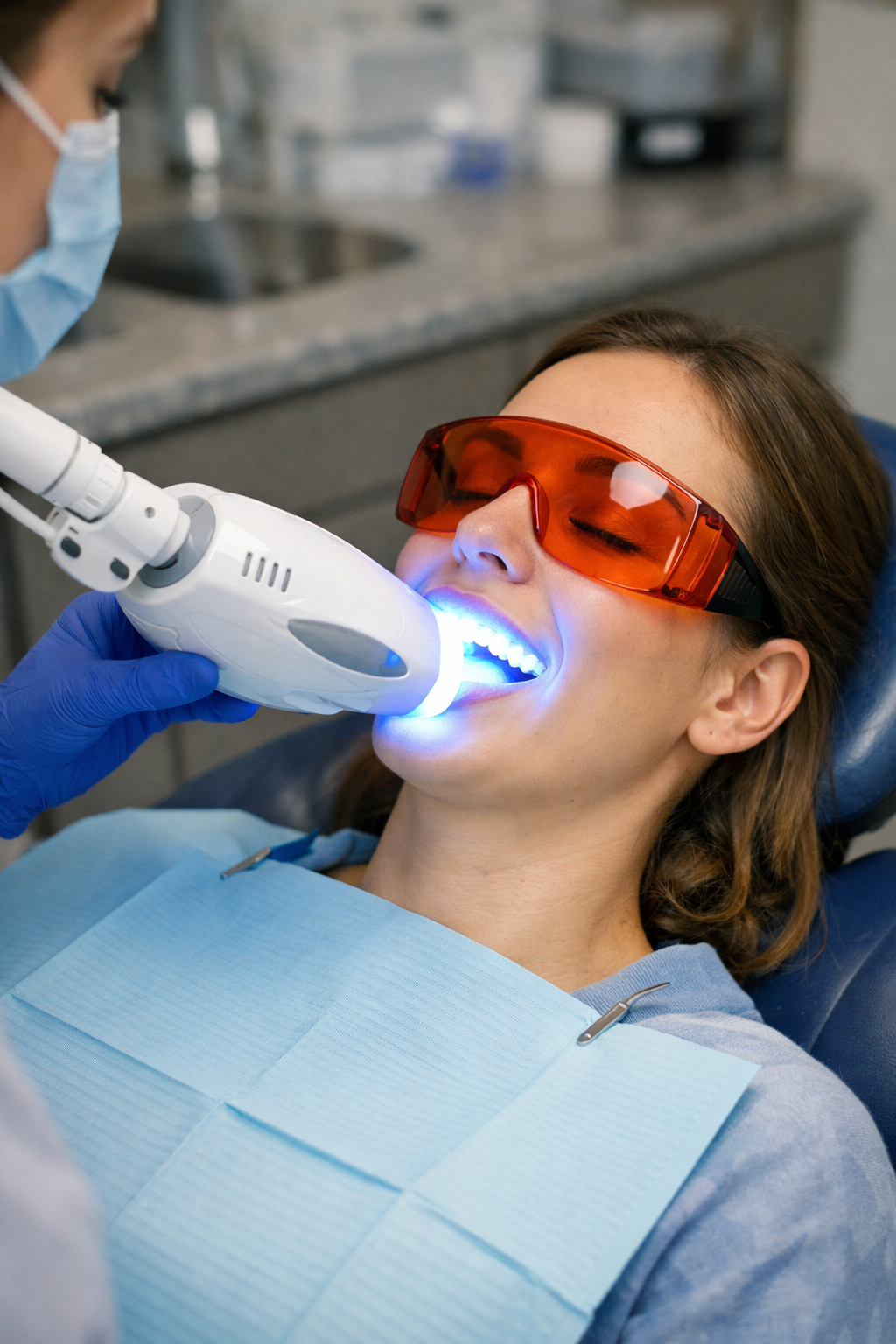
Yes, professional teeth whitening is safe when performed or supervised by a dentist. The whitening agents used are carefully formulated and applied in controlled amounts. Some temporary tooth sensitivity may occur, but this typically subsides within a few days. Always consult your dentist before starting any whitening treatment.
What is the best way to brush my teeth?
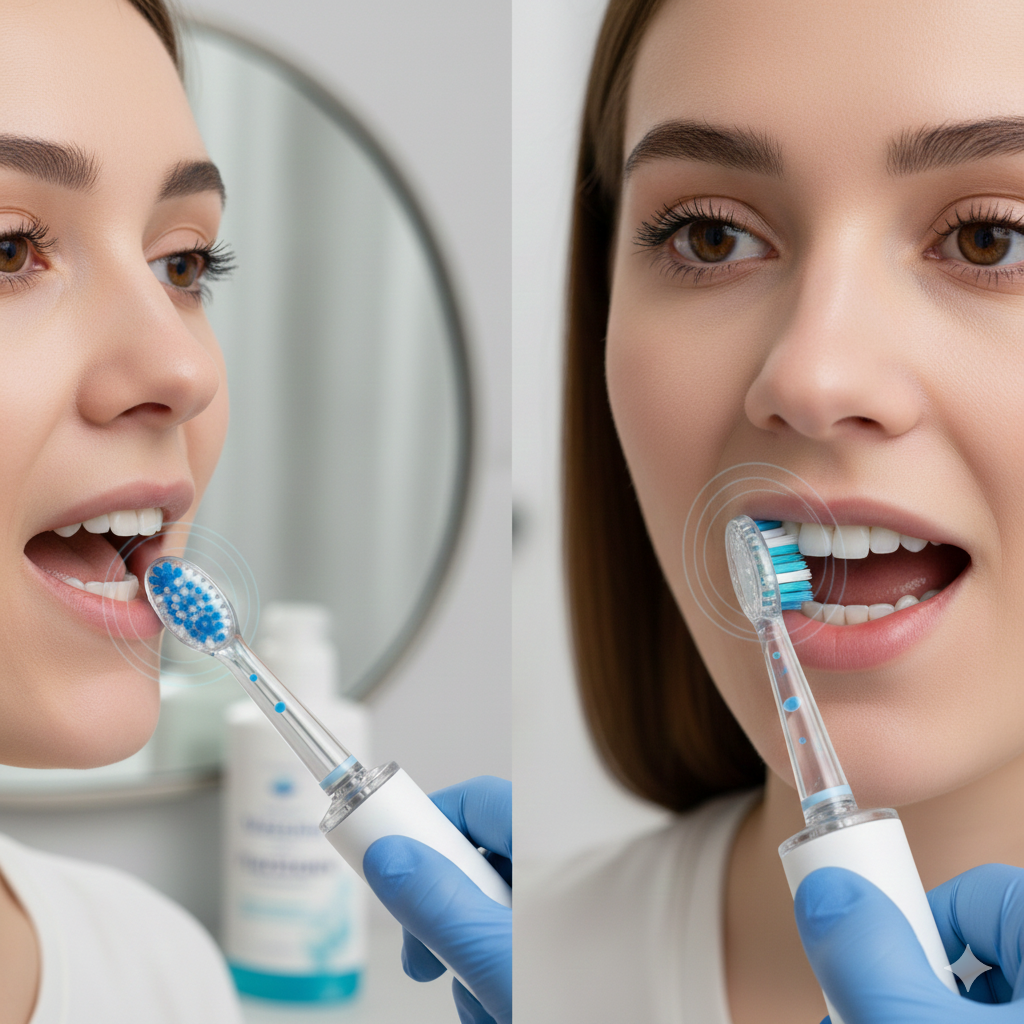
Brush your teeth twice daily for two minutes each time using a soft-bristled toothbrush and fluoride toothpaste. Hold the brush at a 45-degree angle to your gums and use gentle circular motions. Brush all surfaces of each tooth - outer, inner, and chewing surfaces. Don't forget to brush your tongue to remove bacteria and freshen breath.
Do I really need to floss every day?
Yes, daily flossing is essential for removing plaque and food particles from between teeth where your toothbrush cannot reach. Flossing helps prevent cavities, gum disease, and bad breath. If traditional floss is difficult to use, consider floss picks, water flossers, or interdental brushes as alternatives.
When should my child first visit the dentist?
Children should have their first dental visit by their first birthday or within six months after their first tooth erupts, whichever comes first. Early dental visits help establish good oral health habits, allow the dentist to monitor development, and prevent early childhood cavities.
What causes bad breath and how can I prevent it?
Bad breath (halitosis) is commonly caused by poor oral hygiene, bacteria on the tongue, gum disease, dry mouth, or certain foods. To prevent it: brush and floss regularly, clean your tongue, stay hydrated, avoid tobacco, and visit your dentist regularly. If bad breath persists despite good hygiene, consult your dentist as it may indicate an underlying health issue.
Are dental X-rays safe?
Yes, dental X-rays are very safe. Modern digital X-rays emit significantly less radiation than traditional film X-rays - about the same amount you're exposed to during a short airplane flight. Dentists use lead aprons and take only necessary X-rays to minimize exposure. The benefits of detecting problems early far outweigh the minimal risk.
What should I do if I knock out a tooth?
If a permanent tooth is knocked out, time is critical. Handle the tooth by the crown (not the root), gently rinse it with water if dirty (don't scrub), and try to place it back in the socket. If that's not possible, keep it moist in milk or saliva. See a dentist immediately - ideally within 30 minutes. Quick action can often save the tooth.
Why do my gums bleed when I brush?
Bleeding gums are often an early sign of gingivitis (gum inflammation) caused by plaque buildup. This condition is reversible with improved oral hygiene. However, if bleeding persists after a week of proper brushing and flossing, schedule a dental appointment. Chronic bleeding may indicate more serious gum disease requiring professional treatment.
How long do dental implants last?
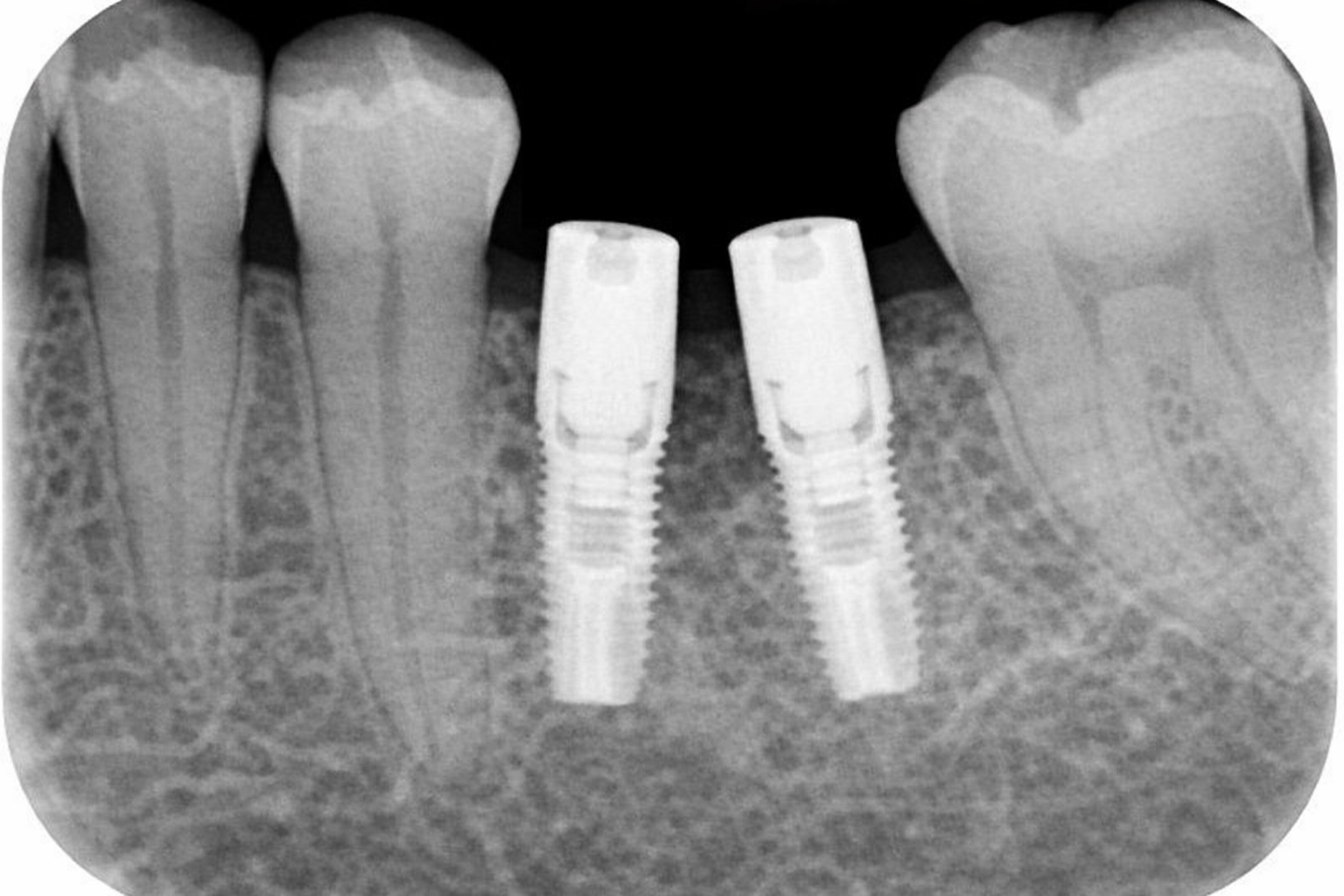
With proper care, dental implants can last 20-30 years or even a lifetime. The implant itself (titanium post) is very durable, while the crown on top may need replacement after 10-15 years due to normal wear. Success depends on good oral hygiene, regular dental visits, avoiding smoking, and maintaining overall health.
What is the difference between a filling and a crown?
A filling repairs a small to moderate area of decay by removing the damaged portion and filling the cavity. A crown covers the entire visible portion of a tooth when damage is extensive or after a root canal. Crowns provide more protection and strength but require more tooth preparation. Your dentist will recommend the appropriate treatment based on the extent of damage.
Can I whiten my teeth if I have sensitive teeth?
Yes, but with precautions. Inform your dentist about your sensitivity so they can recommend appropriate products and techniques. Options include using lower-concentration whitening agents, shorter treatment times, desensitizing toothpaste before and after treatment, and professional in-office procedures where the dentist can protect your gums and monitor sensitivity.
What are dental sealants and who needs them?
Dental sealants are thin plastic coatings painted on the chewing surfaces of back teeth to prevent decay. They're especially beneficial for children's permanent molars but can also benefit adults prone to cavities. Sealants are quick, painless to apply, and can last up to 10 years, significantly reducing cavity risk.
Is it normal for teeth to be sensitive to cold?
Some sensitivity to cold is common, but excessive or prolonged sensitivity may indicate problems like enamel erosion, gum recession, cavities, or cracked teeth. Try using toothpaste for sensitive teeth for two weeks. If sensitivity persists or worsens, consult your dentist to identify and address the underlying cause.
Do wisdom teeth always need to be removed?
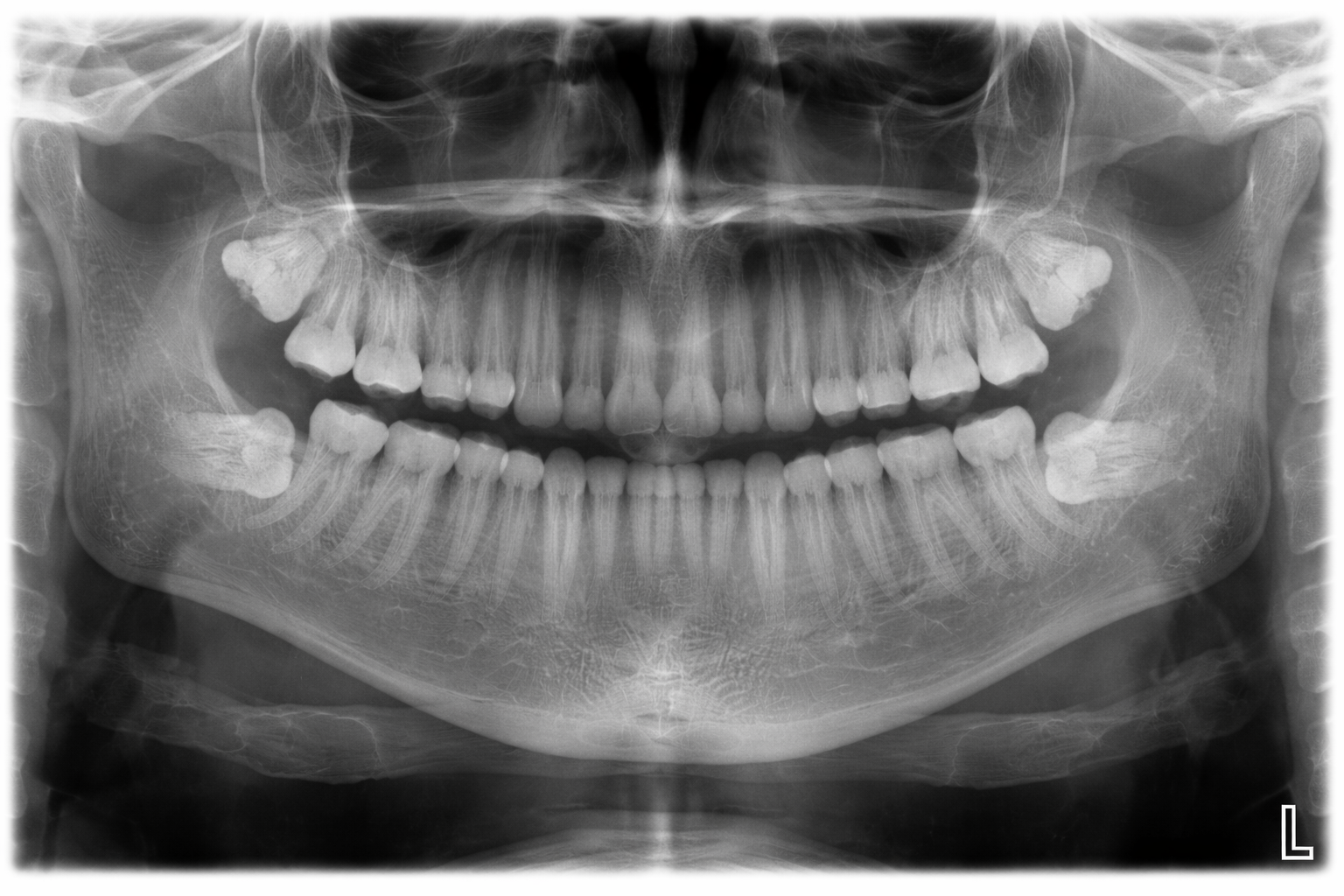
No, not always. If wisdom teeth come in properly aligned, fully erupted, healthy, and can be cleaned adequately, they may not need removal. However, most people lack sufficient space, leading to impaction, crowding, infection, or decay. Your dentist will assess your wisdom teeth through examination and X-rays to determine if removal is necessary.
What is a root canal treatment and is it painful?
A root canal treatment is a procedure to remove infected or inflamed pulp from inside a tooth, then clean, disinfect, and seal it. Thanks to modern anesthesia and techniques, root canal treatments are no more uncomfortable than getting a filling. The procedure actually relieves pain caused by infection. Most patients experience minimal discomfort during recovery.
Can grinding my teeth cause damage?
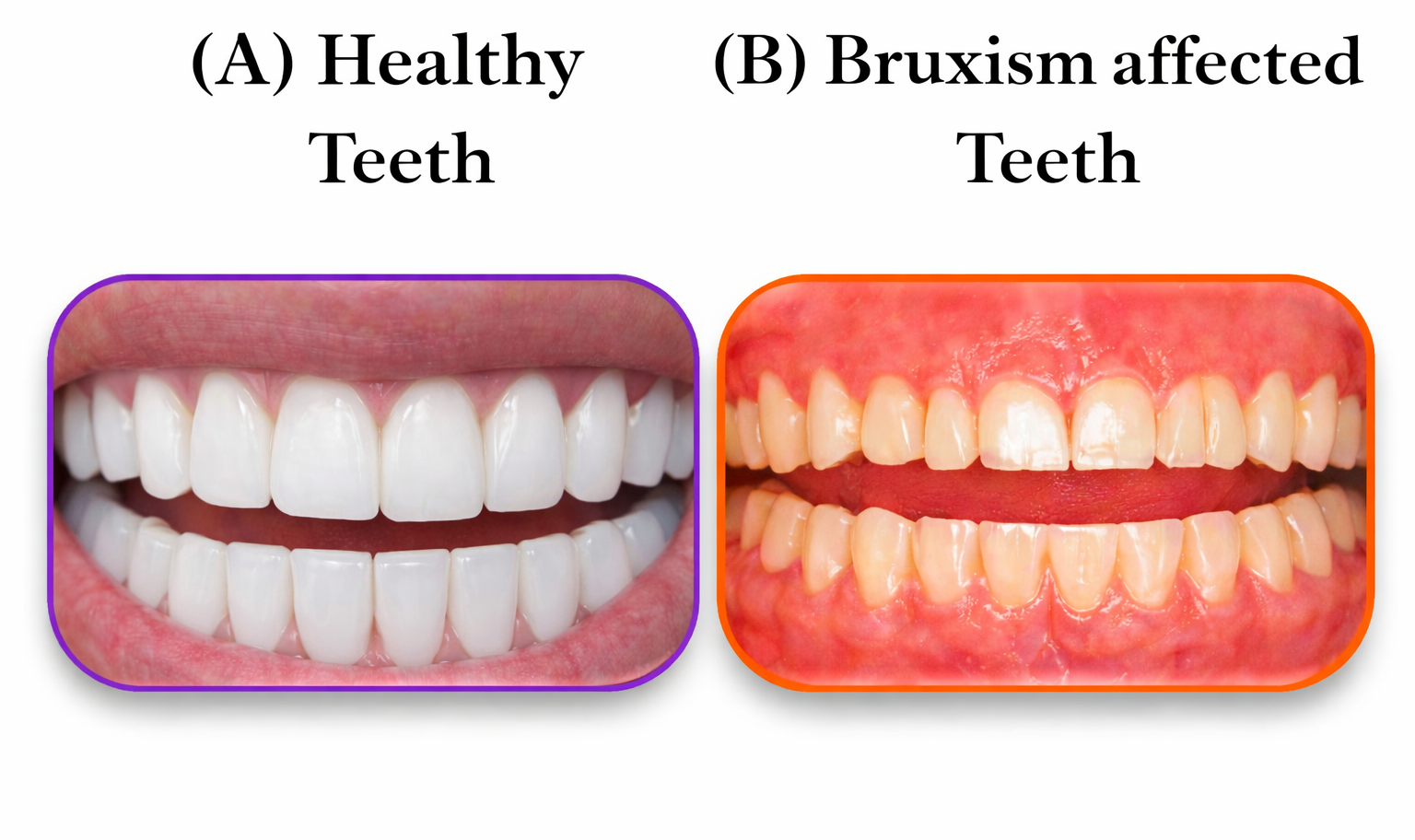
Yes, chronic teeth grinding (bruxism) can cause significant damage including worn enamel, cracked or chipped teeth, jaw pain, headaches, and tooth sensitivity. Many people grind their teeth during sleep without realizing it. If you experience symptoms, ask your dentist about a custom nightguard to protect your teeth.
How can I prevent cavities?
Prevent cavities by: brushing twice daily with fluoride toothpaste, flossing daily, limiting sugary and acidic foods/drinks, drinking fluoridated water, eating a balanced diet rich in calcium, avoiding frequent snacking, using mouthwash, considering dental sealants, and visiting your dentist regularly for check-ups and cleanings.
What is gum disease and how is it treated?
Gum disease is an infection of tissues supporting your teeth, progressing from gingivitis (early stage) to periodontitis (advanced stage). Treatment depends on severity: early stages respond to improved oral hygiene and professional cleaning; advanced cases may require deep cleaning (scaling and root planing), antibiotics, or surgery. Regular dental visits help catch and treat it early.
Are electric toothbrushes better than manual ones?
Both can be effective when used properly, but electric toothbrushes often provide advantages: more consistent brushing motion, built-in timers ensuring adequate brushing time, easier to use for people with limited dexterity, and some studies show they remove slightly more plaque. The best toothbrush is the one you'll use correctly and consistently.
What causes tooth discoloration?
Tooth discoloration has various causes: extrinsic stains from coffee, tea, wine, tobacco, and certain foods; intrinsic stains from medications (like tetracycline), excessive fluoride during tooth development, trauma, or aging; and thinning enamel revealing the naturally yellow dentin underneath. Professional whitening addresses extrinsic stains, while veneers or bonding may be needed for intrinsic discoloration.
How long does a dental cleaning take?
A routine dental cleaning typically takes 30-60 minutes, depending on the amount of buildup and your oral health status. The hygienist will remove plaque and tartar, polish your teeth, and floss between them. If you have gum disease or significant buildup, a deep cleaning may take longer and require multiple appointments.
Can pregnancy affect my oral health?
Yes, hormonal changes during pregnancy increase risk of gingivitis (pregnancy gingivitis) and gum disease. Morning sickness can expose teeth to stomach acid, increasing decay risk. Maintain excellent oral hygiene, rinse after vomiting, eat a balanced diet, and continue regular dental visits. Inform your dentist you're pregnant so they can adjust treatment timing and avoid certain procedures or medications.
What is the best diet for healthy teeth?
A tooth-friendly diet includes: calcium-rich dairy products, crunchy fruits and vegetables that stimulate saliva, leafy greens high in vitamins, lean proteins, nuts and seeds with minerals, and plenty of water (especially fluoridated). Limit sugary snacks and drinks, acidic beverages, sticky candies, and starchy processed foods. If you consume sugary or acidic items, rinse with water afterward.
Do I need to replace old silver fillings?
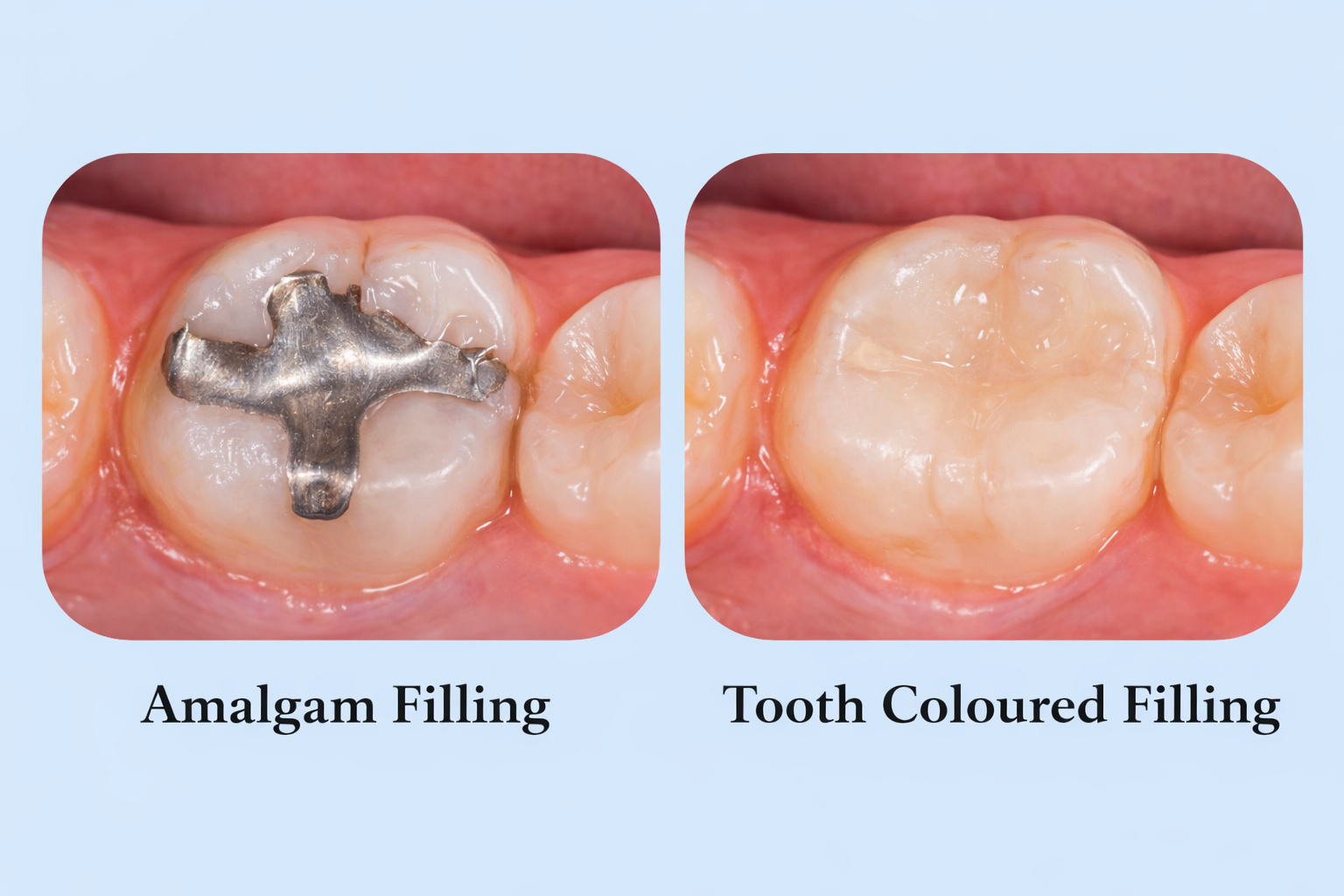
Amalgam (silver) fillings don't need replacement solely because of their material. However, replacement may be necessary if they're cracked, leaking, causing pain, or if there's decay around them. Some patients choose to replace them with tooth-colored composite fillings for aesthetic reasons. Consult your dentist to assess the condition of existing fillings.
What is the purpose of fluoride?
Fluoride strengthens tooth enamel and helps prevent cavities by making teeth more resistant to acid attacks from plaque bacteria and sugars. It can even reverse early decay. Sources include fluoridated water, toothpaste, mouth rinses, and professional fluoride treatments at the dentist. Both children and adults benefit from appropriate fluoride exposure.
Can medications affect my oral health?
Yes, many medications can impact oral health. Common effects include dry mouth (increasing cavity risk), gum overgrowth, taste changes, mouth sores, and bone loss. Medications like antihistamines, antidepressants, blood pressure drugs, and pain relievers are common culprits. Always inform your dentist about all medications and supplements you take so they can anticipate and address potential oral health effects.
What are the signs of oral cancer?
Warning signs include: sores or ulcers that don't heal within two weeks, white or red patches, lumps or thickening tissue, persistent sore throat, difficulty chewing or swallowing, numbness in the mouth, unexplained bleeding, ear pain, or dramatic weight loss. Risk factors include tobacco use, heavy alcohol consumption, and HPV infection. Regular dental check-ups include oral cancer screenings.
How do I care for my child's baby teeth?
Start cleaning gums with a soft cloth before teeth erupt. Once teeth appear, brush twice daily with a rice-grain size of fluoride toothpaste (pea-size after age 3). Supervise brushing until age 7-8. Avoid putting babies to bed with bottles containing milk or juice. Limit sugary snacks. Schedule the first dental visit by age one. Baby teeth are important placeholders for permanent teeth and deserve proper care.
What should I do about a toothache?
For immediate relief: rinse with warm salt water, take over-the-counter pain medication as directed, apply a cold compress to the outside of your cheek, and gently floss to remove any trapped food. Avoid placing aspirin directly on gums or teeth. Schedule a dental appointment as soon as possible - toothaches indicate a problem requiring professional treatment. Don't ignore persistent pain.
Can I get braces as an adult?
Absolutely! Many adults successfully undergo orthodontic treatment. Modern options include traditional braces, clear ceramic braces, lingual braces (behind teeth), and clear aligners. Treatment improves both appearance and function, making teeth easier to clean and reducing excessive wear. Adult treatment typically takes 18-36 months depending on complexity. Age is not a barrier to achieving a healthier, straighter smile.
What is the difference between a dentist and an orthodontist?
A dentist focuses on overall oral health, treating cavities, gum disease, and performing procedures like cleanings, fillings, crowns, and extractions. An orthodontist is a dentist who completed additional specialized training (2-3 years) in diagnosing and correcting misaligned teeth and jaws using braces, aligners, and other appliances. Both work together to maintain your oral health.
How can I overcome dental anxiety?
Communicate openly with your dentist about your fears. Many options can help: sedation dentistry (nitrous oxide, oral sedation, or IV sedation), relaxation techniques like deep breathing, listening to music with headphones, establishing a hand signal to pause treatment, scheduling short appointments, bringing a support person, and choosing a dentist experienced with anxious patients. Don't let fear prevent you from getting necessary care.
What happens during a root canal procedure?
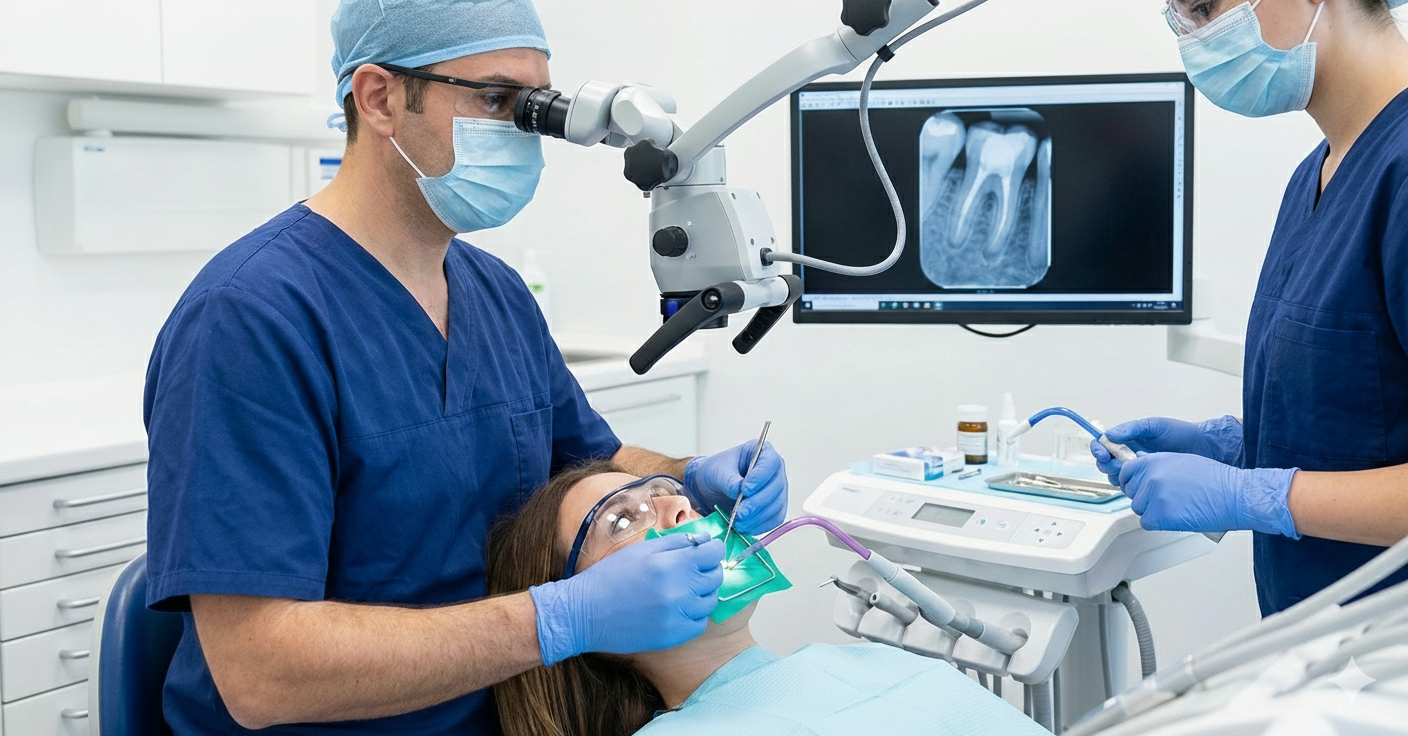
The procedure begins with local anesthesia to numb the area. The dentist creates a small opening in the tooth, removes infected or inflamed pulp, cleans and disinfects the root canals, then fills and seals them with a rubber-like material. A temporary filling closes the opening. Most root canals are completed in 1-2 appointments. Afterward, you'll likely need a crown to protect and strengthen the tooth.
Is it safe to get dental treatment while pregnant?
Yes, dental care during pregnancy is safe and important. The second trimester is ideal for elective procedures. Emergency treatments can be performed anytime. Routine cleanings and examinations are encouraged. Inform your dentist you're pregnant so they can take appropriate precautions with X-rays and medications. Untreated dental infections pose greater risks to pregnancy than dental treatment itself.
What are clear aligners and how do they work?
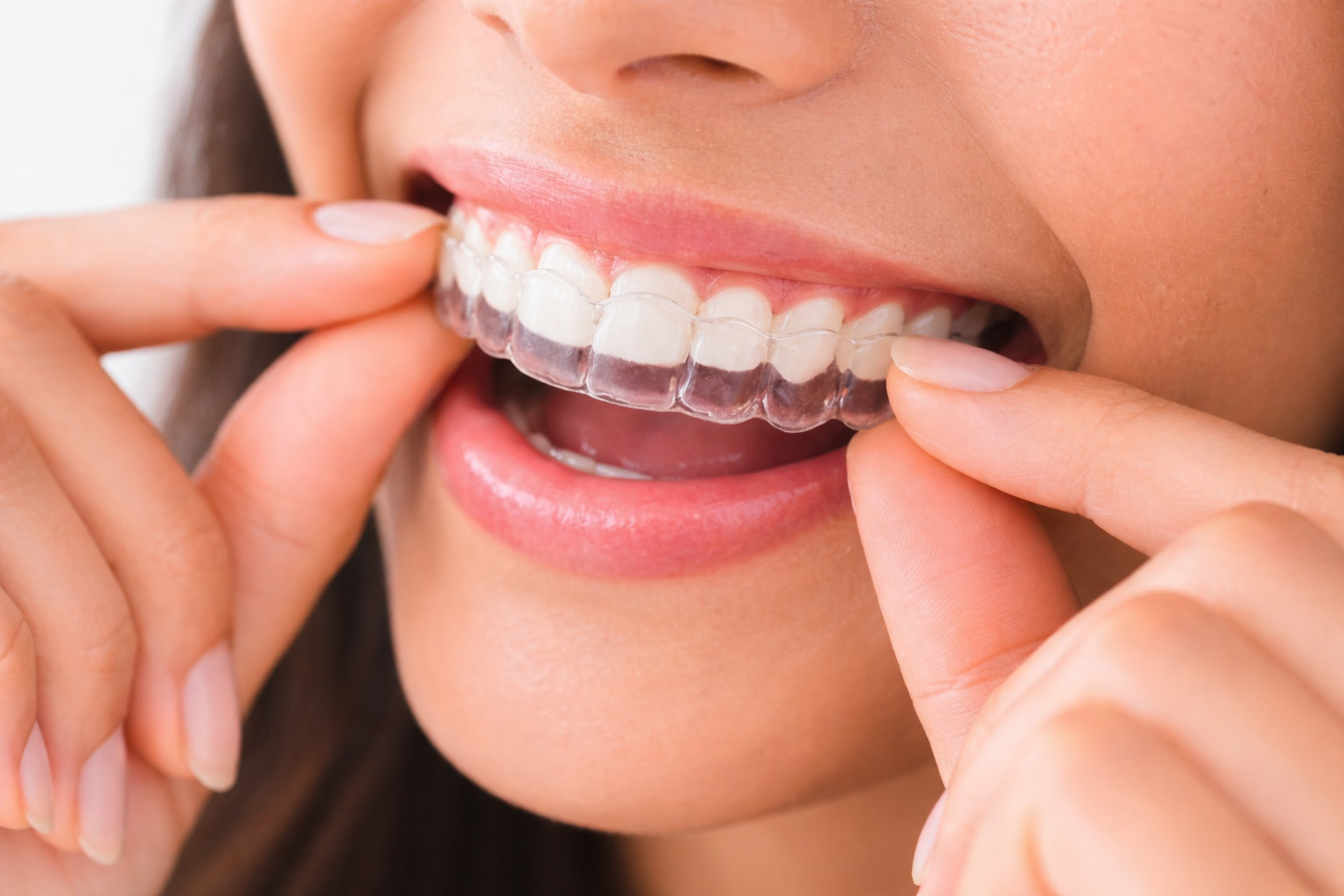
Clear aligners are transparent, removable trays that gradually move teeth into desired positions. You wear each set for 1-2 weeks before switching to the next in the series. They're nearly invisible, removable for eating and cleaning, and generally comfortable. Treatment typically takes 12-18 months for moderate cases. They work best for mild to moderate alignment issues and require compliance - wearing them 20-22 hours daily.
How long do I need to wear a retainer after braces?
Initially, you'll wear retainers full-time (except when eating) for several months. Then most patients transition to nighttime-only wear indefinitely. Teeth have a lifelong tendency to shift, so long-term retainer use is crucial for maintaining results. Some patients receive permanent bonded retainers behind their front teeth. Follow your orthodontist's specific instructions for best results.
What causes jaw pain and clicking?
Jaw pain and clicking often result from TMJ (temporomandibular joint) disorders caused by teeth grinding, jaw clenching, arthritis, injury, or misaligned bite. Symptoms include pain, clicking or popping sounds, limited jaw movement, and headaches. Treatment may involve nightguards, physical therapy, stress management, pain medication, or in severe cases, surgery. Early intervention prevents progression and improves comfort.
Should I be concerned about mercury in dental fillings?
Major health organizations including the FDA, ADA, and WHO have determined that amalgam (silver) fillings are safe for most people. The mercury in dental amalgam is bound with other metals, making it stable. Mercury exposure from fillings is far below levels known to cause harm. However, alternatives like composite (tooth-colored) fillings are available if you prefer. Discuss options with your dentist.
What should I expect after tooth extraction?
After extraction, bite on gauze for 30-45 minutes to control bleeding. Expect some swelling and discomfort for 2-3 days. Use ice packs, take prescribed pain medication, eat soft foods, and avoid straws, smoking, and vigorous rinsing for 24 hours (these can dislodge the blood clot causing "dry socket"). Rest, keep your head elevated, and follow your dentist's post-operative instructions carefully for optimal healing.
Can diabetes affect my oral health?
Yes, diabetes significantly impacts oral health. People with diabetes have higher risk of gum disease, dry mouth, fungal infections, slow healing, and burning mouth syndrome. High blood sugar provides more fuel for bacteria causing gum disease, which in turn can make blood sugar harder to control - a two-way relationship. Maintain excellent oral hygiene, control blood sugar levels, and inform your dentist about your diabetes for tailored care.